
Why Digestion Struggles in Winter - A Classical Chinese Medicine Perspective

(Esaias Hobbs Acupuncture - Lewes)
As December settles in, the cold begins to change the way our bodies function. The mornings feel heavier, meals sit differently and even those with strong digestion often notice a shift: more bloating, sluggishness, sugar cravings, tiredness after eating, or waking up unrefreshed.
In the clinic, this is one of the most predictable patterns of the season.
In Classical Chinese Medicine (CCM), digestion is governed by the Spleen and Stomach - the central organs that transform food into energy, warmth, nourishment, and vitality. Winter places a particular strain on this system.
Understanding why this happens gives you the tools to support your own digestion through the colder months.
Cold Weakens the Centre
Winter is the season of cold. Cold slows circulation, stiffens tissues and dampens the digestive fire. In CCM, we describe this as a weakening of Spleen Yang and Stomach Qi - the forces responsible for transforming food and moving it smoothly through the body.
When these become cold or overwhelmed, several symptoms appear:
Bloating after meals
Loose or inconsistent stools
Feeling heavy or sluggish
Sugar cravings
Cold hands and feet
Tiredness after eating
Emotional flatness or irritability
A “foggy” feeling in the head
Many people in Lewes describe feeling as if “food just sits there” or “my stomach doesn’t wake up until midday.”
This is not a personal failing - it is a seasonal pattern.
If you missed last week’s article, you can read my Winter Reset guide, which explains how to prepare your system before December fully arrives.
Why Winter Is So Hard on Digestion
Winter disrupts digestion for three key reasons:
1. Cold enters the system
Cold slows everything down. When the Stomach becomes cold, the enzymes, circulation, and motility that support digestion decrease.
In CCM we say:
“Cold congeals and obstructs the Middle.”
2. Stress rises as the year closes
December is emotionally demanding. Increased pressure, disrupted routines, and constant stimulation weaken Spleen Qi, causing:
overthinking
poor appetite
bloating
fatigue
cravings
Mental strain is one of the fastest ways to disturb digestion.
3. Heavier foods challenge the system
Winter naturally brings:
rich meals
sugary foods
dairy
late eating
irregular timings
All of these slow the Spleen and Stomach further.
This combination - cold + stress + heavy food = the perfect recipe for winter digestive imbalance.
To learn more about how I support these seasonal changes, you can visit my acupuncture in Lewes service page.
Why Digestion Affects Emotion, Energy, and Sleep
In CCM, digestion doesn’t just affect the belly.
It influences:
energy levels
mood and emotional stability
fluid balance
muscle tone
clarity of mind
sleep rhythm
When the Spleen is struggling, everything feels just a little bit harder.
This is why so many people feel tired, low, and unfocused in December - not because of “the season,” but because the centre is overwhelmed.
Supporting Digestion in Winter
The good news: digestion responds quickly to the right support.
Here are simple, classical winter practices that make a profound difference:
1. Eat warm, simple meals
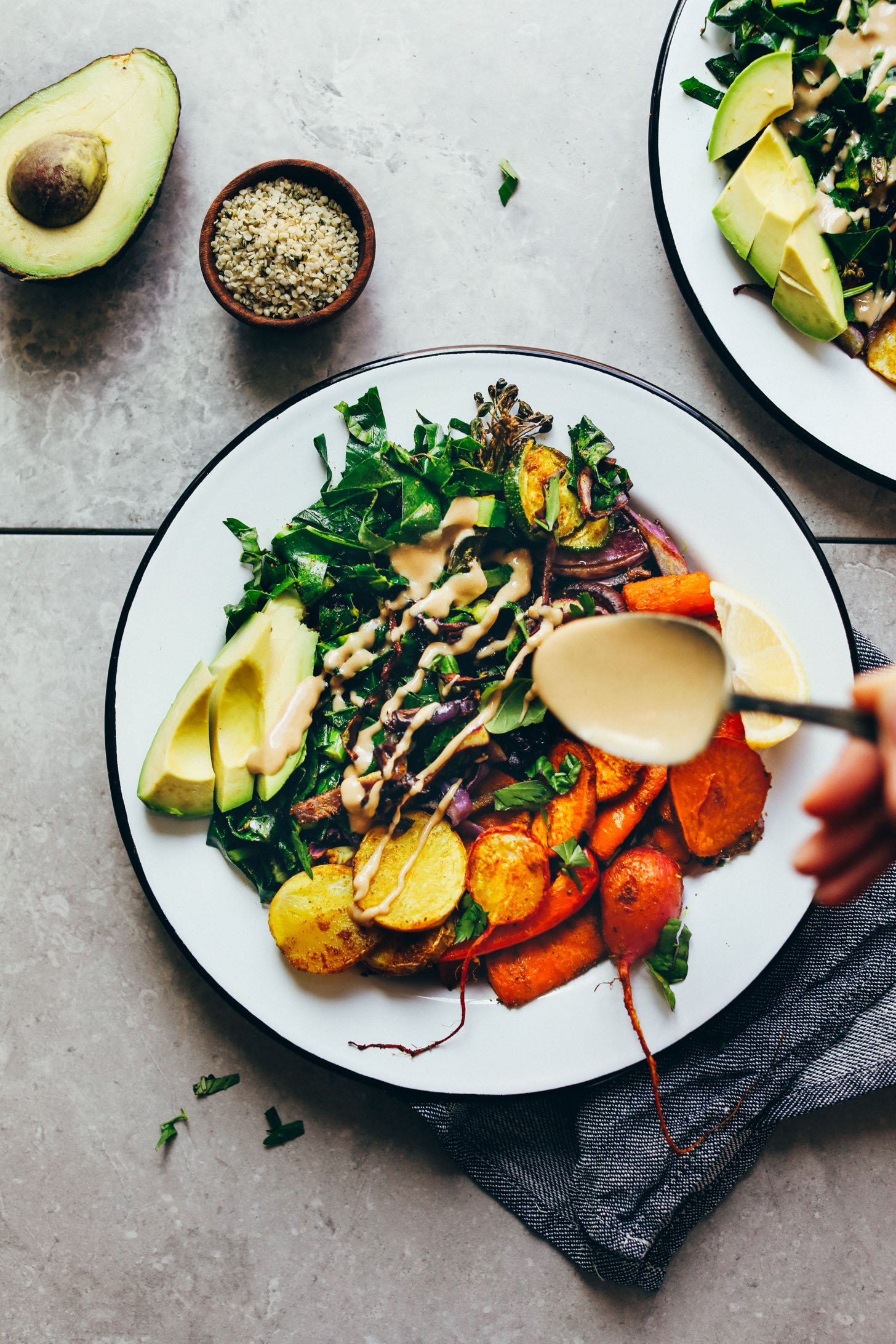
Soups, stews, congee, roasted vegetables, and warm grains are ideal.
Cold breakfasts, smoothies, yogurt, fruit bowls, and iced drinks weaken the centre.
2. Use warming aromatics
Ginger, cinnamon, nutmeg, fennel, cardamom, clove — all strengthen digestive fire.
A slice of fresh ginger in hot water can transform sluggish digestion.
3. Reduce food combinations
The Spleen thrives on simplicity.
Too many mixed foods slow transformation.
One-pot dishes are ideal.
These warming meals form the foundation of Chinese dietary therapy, a core part of classical Chinese medicine for supporting digestion in colder months.
4. Avoid late eating
The Stomach needs time to empty before sleep.
Late meals cause restlessness and morning heaviness.
5. Keep the abdomen warm
A warm lower back and belly support Spleen Yang:
hot water bottle
warm layers
avoiding sitting on cold surfaces
Warmth is medicinal.
Many people also benefit from gentle Chinese medical massage (Tui Na) to warm the abdomen and release tension that accumulates in winter.
How Acupuncture Helps in Winter
Acupuncture in Lewes is particularly effective for digestive issues during colder months because it:
warms and strengthens the digestive system
increases circulation in the abdomen
reduces stress and emotional load
calms the nervous system
restores Stomach and Spleen Qi
improves motility and transformation
Many people notice improvement within a few sessions - better energy, more stable mood, clearer digestion, and deeper sleep.
⭐ If Your Digestion Feels Sluggish, This Is the Ideal Time to Reset
Whether you're dealing with bloating, heaviness, loose stools, irritability, cravings, or disrupted sleep, these are all signs of the same underlying pattern.
With the right seasonal support, digestion becomes lighter, stronger, and more reliable - even through the coldest months.

📍 Book acupuncture in Lewes
Gentle, warm, classical treatment to support digestion, energy, and emotional steadiness this winter.
Same-week appointments available.
Weekly Seasonal Insights - Free Newsletter
Get one grounded classical Chinese medicine insight each week to support your energy, sleep, digestion and overall balance.