Why the Same Health Advice Doesn’t Suit Everybody
There is no shortage of advice about how to look after ourselves. Eat better. Move more. Get enough sleep. Make time to relax. Much of it sounds reasonable. Yet a suggestion that feels straightforward to one person can seem completely out of reach to another.
Sometimes the difference is explained away as motivation. One person is disciplined; the other needs to try harder. That is a poor starting point if we have not considered what their lives actually involve. Before deciding whether advice is useful, it is worth asking a more basic question: who is it for?
The same recommendation, two different days
Imagine two people being told to be more active. One spends most of the working day at a desk, often without leaving the room until the afternoon. The other is on their feet throughout a demanding shift, then goes home to cooking, caring responsibilities and household jobs. The words “move more” arrive in very different circumstances.
This does not tell us what either person should do. It shows how much a short instruction can leave out. We have not asked about their health, what they already do, what they enjoy, or what is realistic. We have barely begun to understand the people receiving the recommendation.
The same difficulty appears in advice about food. “Cook everything from scratch” assumes access to ingredients, somewhere to prepare them, enough time and the energy to begin. For someone working irregular hours or caring for a relative, those assumptions may be the largest part of the problem. Another recipe is unlikely to answer all of them.
Advice has a person attached to it
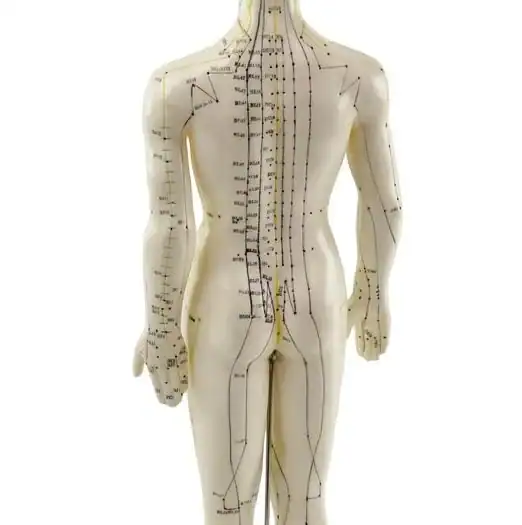
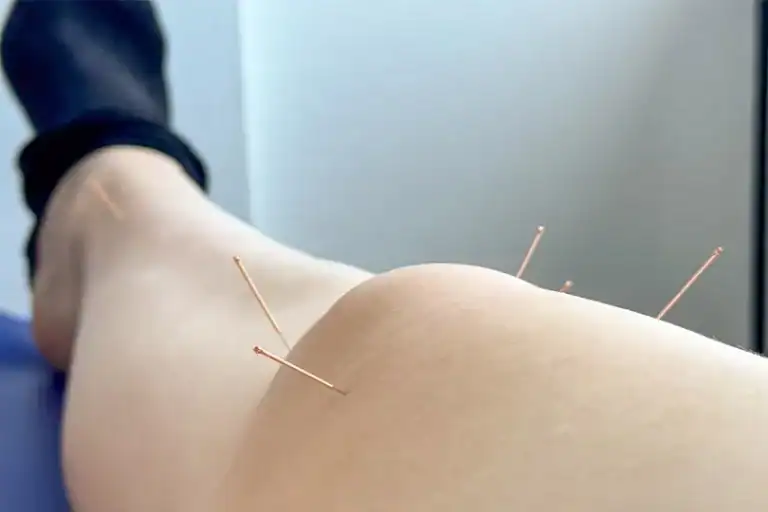
In my acupuncture and Chinese medicine practice in Lewes, I want to understand the person experiencing a concern, as well as the concern itself. What has changed? What else is happening in their life? What are they already managing? A consultation needs room for that wider conversation.
A phrase such as “I feel tired” can introduce many different stories. It might describe a recent change, a longstanding difficulty, or the experience of trying to meet too many demands. The phrase alone does not tell me what is happening or what would be appropriate. It is a reason to listen further, rather than a complete explanation.
What Yangsheng brings to the conversation
Yangsheng is often translated as “nourishing life”. The phrase invites a broader interest in how we live, rather than treating looking after ourselves as a collection of separate tasks. Food, activity, rest and ordinary responsibilities all belong to that conversation.
I am interested in what that means for an actual person living an actual day. A routine can look admirable on paper while asking for time, privacy or resources that someone does not have. Calling it a good routine tells us little about whether it is a sensible starting point for them.
There is room here for curiosity rather than another standard to live up to. The aim is not to construct an ideal version of daily life and judge ourselves against it. It is to take the life already being lived seriously enough to understand what looking after it might involve.
A good idea may belong to a different moment
Circumstances also change within the same person’s life. A familiar arrangement may have suited a period with predictable working hours and fewer responsibilities. A new job, caring role or change in health can make that arrangement difficult to maintain. Its previous usefulness does not settle whether it still fits.
This is easily missed when advice is presented as something we should commit to indefinitely. Changing our approach can feel like inconsistency or failure, even when the circumstances have plainly changed. There is a difference between abandoning our health and recognising that an old expectation needs reconsidering.
Begin with understanding
General health advice can provide a useful starting point. It cannot contain everything that matters about every person who hears it. The difficulty comes when a broad recommendation is treated as a complete answer, before the person has had a chance to explain their situation.
I would rather begin with that explanation. Understanding someone’s circumstances makes the conversation more relevant and less judgemental. It also leaves room to acknowledge when a question needs individual professional attention instead of another general tip.
Perhaps the most interesting question is not whether a piece of advice sounds sensible. It is what the advice has assumed about the person expected to follow it.
For discussion: Have you ever received reasonable health advice that overlooked something important about your circumstances? You are welcome to discuss the general question without sharing private health details.
Join the conversation in Nourishing Life with Esaias Hobbs.
Free Autumn Recipes
Looking for ideas for cooler evenings? Get Seven Warming Autumn Evening Meals, my free recipe collection, and join Nourishing Life for occasional recipes, articles and news about services, books and courses.
Your free recipe PDF opens after signup. Tick the consent box to join the Nourishing Life email list. You can unsubscribe at any time. Read the Privacy Policy.
Esaias Hobbs practises acupuncture and Chinese medicine in Lewes. His Healthy Insights articles explore everyday health and Yangsheng from the perspective of individual care.