Warming Autumn Recipes for Energy and Digestion
As the weather cools, many people naturally begin to want warmer, more substantial food. Soups, stews, roasted vegetables and slowly cooked dishes often feel more satisfying than the lighter meals of summer.
Chinese dietary therapy pays attention to this seasonal shift. It considers not only what a food contains, but also how it is prepared, whether it is warming or cooling, and how well it suits the person eating it. The aim is not to impose a rigid autumn diet. It is to make thoughtful adjustments that support digestion, nourishment and a steadier supply of energy as the days become cooler and darker.
Why meals often change with the season
In Chinese medicine, the digestive system is described through the functions of the Spleen and Stomach. Together, they represent the body’s ability to receive food, transform it and make nourishment available. This traditional framework does not mean that everybody should eat the same foods. It encourages us to notice how appetite, digestion and energy respond to changes in weather, routine and stress.
Someone who feels cold, tired or heavy after meals may find that warm, simply cooked food is easier to manage. Another person may need a different balance. Seasonal eating is therefore less about following a list of forbidden foods and more about paying attention to your own response.
What makes a useful autumn meal
A practical autumn meal will often include:
- cooked seasonal vegetables such as carrots, parsnips, squash, leeks and sweet potatoes
- a nourishing protein such as chicken, fish, lentils, beans, tofu or eggs
- rice, oats, barley or another grain when it suits your digestion
- aromatic ingredients such as ginger, garlic, cinnamon, rosemary or thyme
- a cooking method that brings warmth and softness, such as roasting, simmering, baking or stewing
The combination does not need to be complicated. A bowl of lentil and root-vegetable stew may be more useful than an elaborate meal that takes too much time and energy to prepare.
Seven warming evening meals
I have gathered seven evening meals from my autumn recipe collection. They include vegetarian, fish and meat options so you can choose what fits your household and preferences.
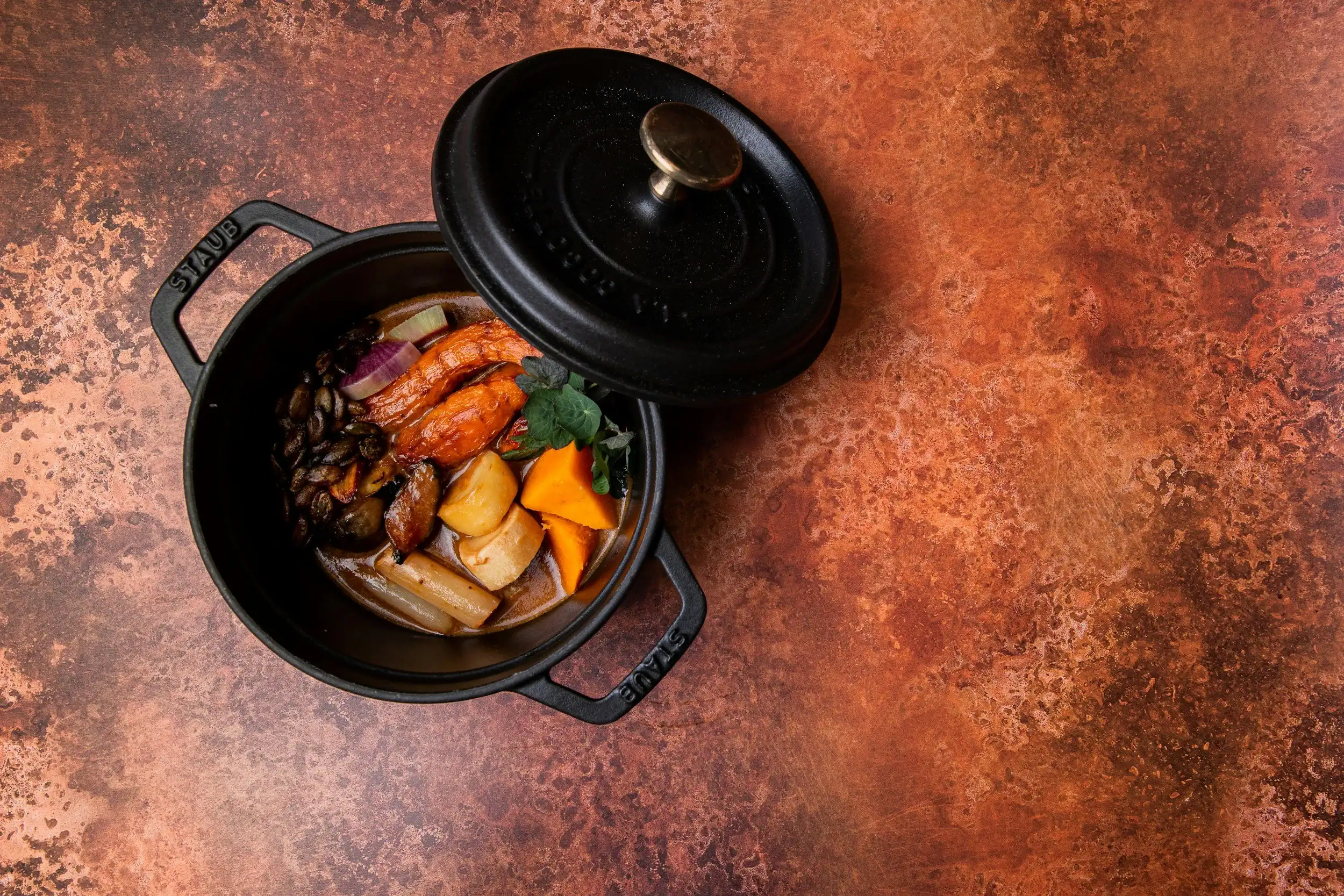
- Vegetable casserole. Sweet potato, parsnip, carrot and other vegetables baked with ginger and five spice.
- Stuffed peppers. Peppers filled with quinoa, beans and vegetables.
- Ginger chicken with autumn vegetables. A quick stir-fry with carrot, courgette, pepper, ginger and garlic.
- Lentil stew with carrots and parsnips. A simple one-pot meal with warming aromatics and grounding root vegetables.
- Tofu and vegetable stir-fry. A vegetarian option with ginger, garlic, kale and seasonal vegetables.
- Fish with roasted squash. Baked fish served with cinnamon-roasted butternut squash.
- Roast chicken with root vegetables. A straightforward tray-style meal using rosemary, garlic and seasonal roots.
Warm food without rigid rules
The language of warming and cooling foods can easily become too absolute. A salad, smoothie or chilled food is not automatically harmful, and a stew is not automatically right for everyone. Your constitution, symptoms, health history, appetite and circumstances all matter.
The practical question is how you feel after eating. Do you feel comfortably nourished, or cold, bloated, sleepy, restless or still hungry? Noticing these patterns is more useful than trying to eat perfectly. Small changes in temperature, cooking method, portion size or meal timing may be enough.
When digestion needs more individual support
Food is only one part of digestive health. Stress, sleep, medication, hormones, illness and established digestive conditions can all affect how you respond to meals. Persistent or concerning symptoms should be medically assessed rather than managed through dietary changes alone.
If you would like to explore food through the framework of Chinese medicine, read more about Chinese Dietary Therapy in Lewes. If bloating, reflux, bowel changes or stress-related digestive symptoms are affecting daily life, you can also visit Acupuncture for IBS and Digestion in Lewes.
A seasonal starting point
Autumn food does not have to be expensive, unfamiliar or time-consuming. Begin with one or two meals that feel manageable, observe how your body responds, and adjust from there. The seven-day guide offers a practical starting point rather than a prescription.
For individual treatment and seasonal guidance, book acupuncture in Lewes or arrange a free 20-minute consultation.