Acupuncture vs Osteopathy for Back Pain
What’s the Difference?
Back pain is one of the most common reasons people seek treatment, and it is also one of the areas where people are often unsure which type of practitioner to see.
Osteopathy and acupuncture are both commonly used for back pain, but they approach the problem differently. One is primarily a manual therapy, while the other uses needling within a broader system of assessment.
So which should you choose?
The answer depends on the nature of your back pain, what else is happening with your health, what treatment you have already tried and, importantly, your own preferences.
What Does an Osteopath Do for Back Pain?
Osteopathy is a manual therapy. Treatment may include movement assessment, mobilisation, manipulation, stretching and soft-tissue techniques.
For someone whose back pain feels strongly related to movement, stiffness, muscular tension or a recent mechanical strain, this hands-on approach can be useful.
NICE currently says manual therapy – including mobilisation, manipulation and massage – can be considered for low back pain, but as part of a wider treatment package that includes exercise.
That reflects an important point: back pain often responds best when treatment is combined with appropriate movement, exercise and self-management rather than relying on one treatment alone.
How Does Acupuncture Approach Back Pain?
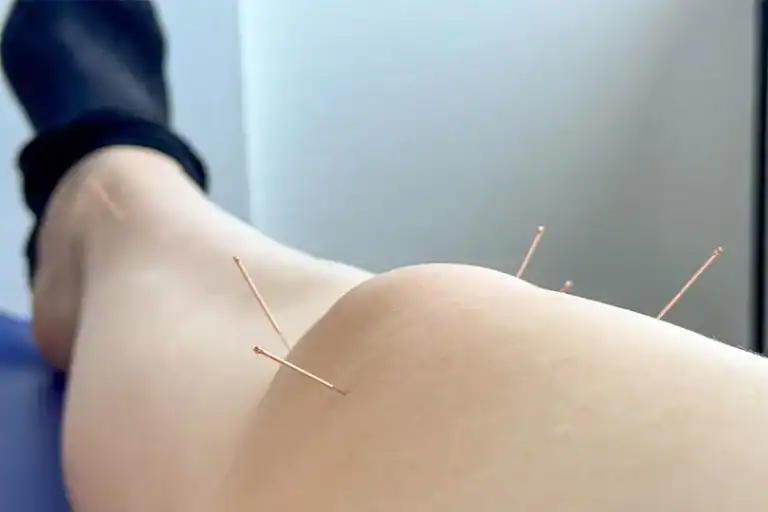
Acupuncture takes a different approach.
In my clinic, I begin with a Chinese medical assessment and look at the back pain alongside the wider picture – for example:
- where the pain is located
- whether it is sharp, aching, tight or radiating
- what aggravates or relieves it
- sleep and recovery
- stress and muscular tension
- energy levels
- previous injury
- digestion and general health
I then tailor the acupuncture to the individual rather than using the same treatment protocol for everyone with back pain.
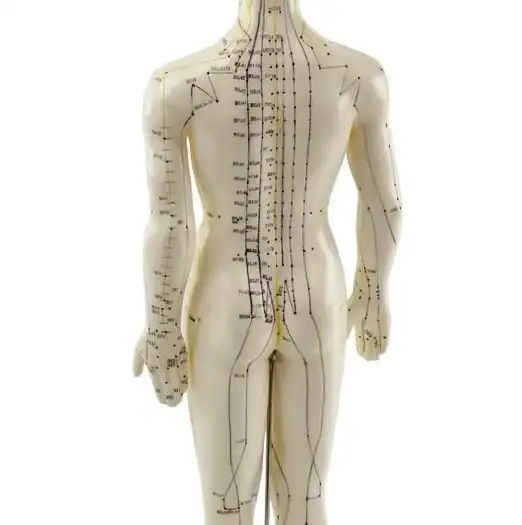
From a traditional Chinese medical perspective, these details help identify patterns that may be contributing to the problem and guide point selection.
Acupuncture and Osteopathy Are Not Doing the Same Thing
This is probably the most useful way to think about the difference.
An osteopath primarily works through manual treatment of the musculoskeletal system.
Acupuncture uses needling and Chinese medical assessment to guide treatment.
That does not mean one is inherently better than the other. They are simply different therapeutic approaches.
Some people prefer hands-on mobilisation and movement-based treatment. Others prefer acupuncture, particularly if their back pain occurs alongside broader issues such as poor sleep, stress, fatigue or recurring tension.
And some people use both at different stages.
What Does the Evidence Say?
This is where it is important not to oversimplify.
NICE’s current guideline for low back pain and sciatica does not recommend acupuncture for managing low back pain or sciatica within NHS care. It does, however, allow consideration of manual therapy when it forms part of a treatment package that includes exercise.
NICE gives different advice for chronic primary pain, where it says a single course of acupuncture or dry needling can be considered under specified circumstances.
So there is no responsible basis for saying that acupuncture simply “works better” than osteopathy for back pain.
Your individual diagnosis, symptoms, preferences and response to treatment matter.
When Might Osteopathy Be a Reasonable Choice?
You may be drawn toward osteopathy when:
- the problem feels strongly movement-related
- stiffness or restricted movement is prominent
- you prefer hands-on manual treatment
- you want assessment of movement and musculoskeletal function
- exercise and rehabilitation form part of the treatment plan
For acute or persistent low back pain, maintaining appropriate activity and exercise is an important part of current guidance
When Might Someone Consider Acupuncture?
Some people consider acupuncture when:
- they prefer needling to manipulation or mobilisation
- their pain is recurring or long-standing
- muscular tension accompanies the pain
- stress, disturbed sleep or fatigue occur alongside the problem
- previous approaches have not given the improvement they hoped for
- they want treatment based on a Chinese medical assessment
That does not mean acupuncture replaces medical assessment, physiotherapy, osteopathy or other appropriate treatment.
Can You Use Acupuncture and Osteopathy Together?
Potentially, yes.
They do not have to be competing treatments.
For example, someone may use osteopathy or physiotherapy for movement, exercise and rehabilitation while also choosing acupuncture separately.
The important thing is that each practitioner knows what other treatment you are receiving and that the overall plan remains appropriate for your condition.
When Back Pain Needs Medical Assessment
Most back pain is not caused by a serious underlying condition, but some symptoms require medical assessment rather than simply choosing between acupuncture and osteopathy.
Seek appropriate medical advice if you have significant neurological symptoms, severe or progressive weakness, major trauma, unexplained systemic symptoms, or concerns about bladder or bowel function.
NICE specifically highlights the importance of recognising serious underlying pathology and neurological emergencies when assessing low back pain and sciatica.
So Which Should You Choose?
There is no universal answer.
If you want a primarily manual, movement-focused approach, osteopathy may appeal to you.
If you are interested in acupuncture and a Chinese medical assessment that considers the wider pattern of your health, acupuncture may be worth considering.
The most useful question is not:
“Which treatment is best?”
but:
“Which approach is most appropriate for this particular episode of back pain, for me?”
Acupuncture for Back Pain in Lewes
I have treated people with back pain in Lewes for many years as part of my acupuncture practice.
Your first appointment includes time to discuss the pain itself, how it affects movement and daily life, your medical history and any other symptoms that may be relevant.
If you would like more detail about how I approach back pain specifically, visit: