
Pain Relief Acupuncture in Lewes
Individualised Chinese Medicine Care for Pain and Musculoskeletal Health
Living with pain can affect every aspect of daily life — from work and sleep to movement, confidence, and relationships. Whether symptoms have developed suddenly or have gradually become part of everyday life, Chinese medicine approaches pain through a detailed understanding of the individual rather than the diagnosis alone.
At Esaias Hobbs Acupuncture, treatment begins with listening carefully to your experience, understanding how symptoms have evolved, and identifying the underlying patterns contributing to discomfort. Care is then adapted over time according to how your system responds.
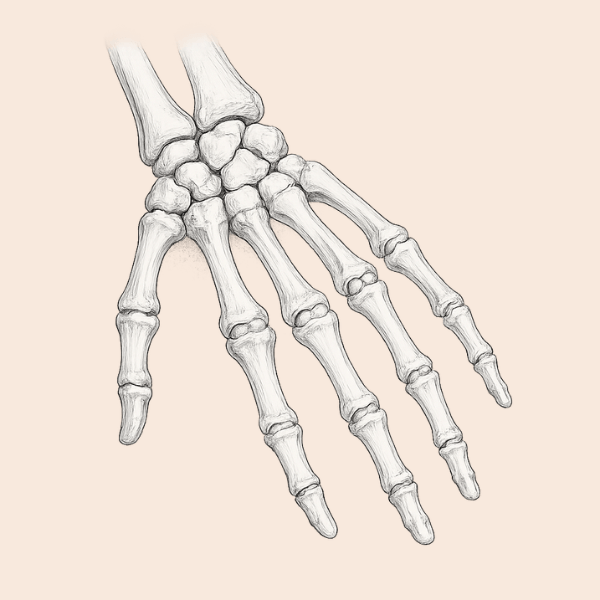
Pain Conditions Treated
Pain can appear in different parts of the body, but the underlying pattern often involves more than one area. Back pain may link with sciatica. Neck and shoulder tension may contribute to headaches. Joint pain may affect posture, movement and overall confidence.
This page acts as a starting point for pain-related treatment. You can explore the more specific pages below if one of them matches your symptoms more closely.
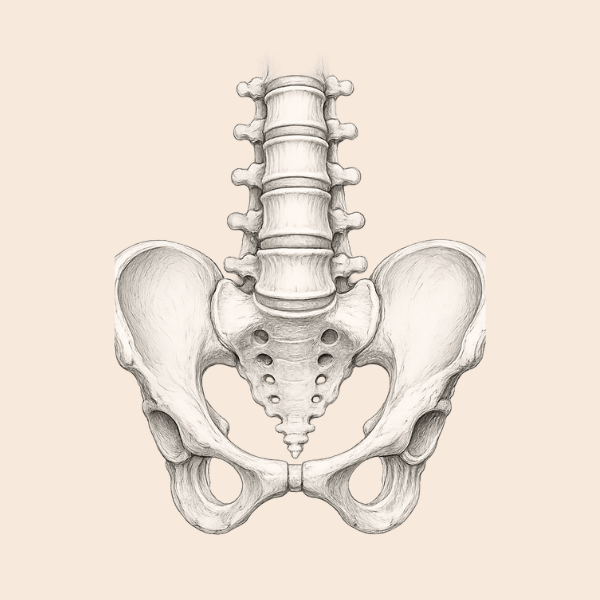
- Back Pain – for lower, middle or upper back discomfort
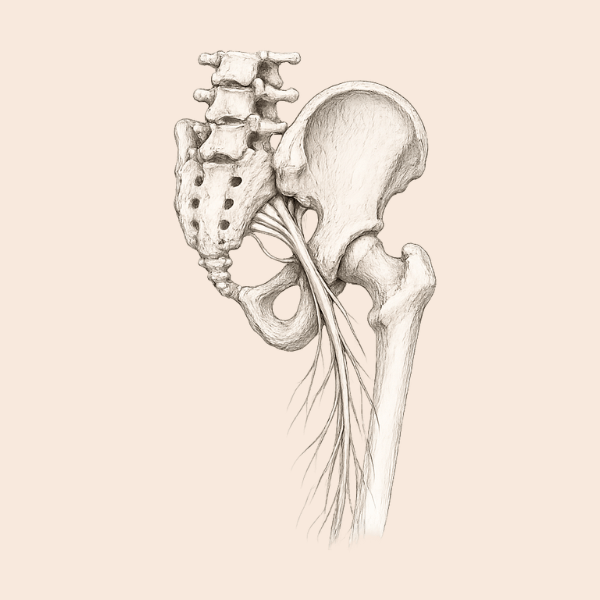
- Sciatica & Nerve Pain – for nerve irritation, radiating pain, tingling or numbness
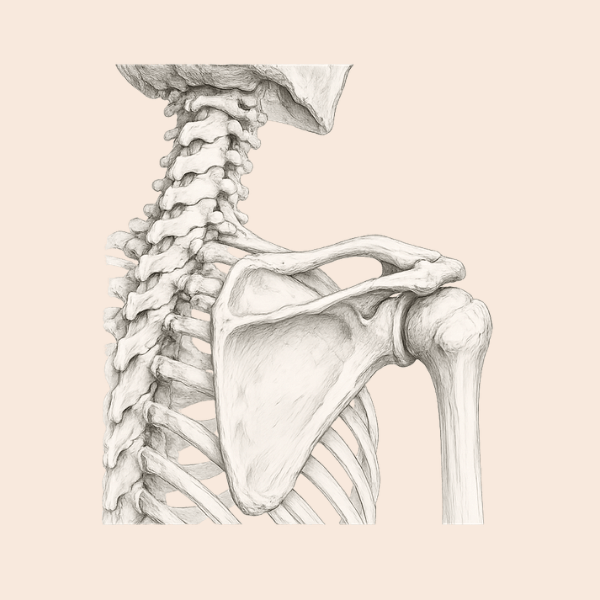
- Shoulder & Neck Pain – for stiffness, tension and restricted movement
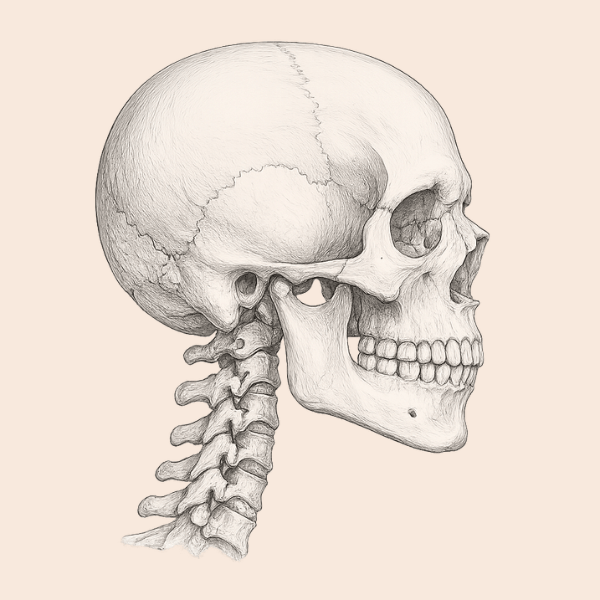
- Headaches & Migraine – for recurring headaches, tension headaches or migraine patterns
- Arthritis & Joint Pain – for joint stiffness, inflammation and reduced mobility
If your symptoms overlap between several areas, I assess the whole pattern rather than treating each painful area in isolation.

How Chinese Medicine Understands Pain
In Chinese medicine, pain is often viewed as a sign that the smooth flow of Qi and Blood has been disrupted. This disruption may arise from injury, repetitive strain, emotional stress, constitutional weakness, environmental factors, or the gradual effects of ageing.
While two people may share the same diagnosis from a Western medical perspective, their underlying patterns may differ considerably. Chinese medicine therefore focuses not only on the location of pain but also on the factors contributing to why it developed and why it persists.
Why might two people with similar pain receive different treatments?
Chinese medicine recognises that pain is rarely experienced in isolation. Sleep quality, stress levels, energy, digestion, emotional wellbeing, lifestyle demands, previous injuries, and overall constitution can all influence how symptoms develop and recover.
For this reason, treatment is tailored to the individual rather than applying a one-size-fits-all approach.
What to Expect in Treatment
Your first appointment includes time to discuss your symptoms in detail, alongside your medical history, lifestyle, and any factors that may be influencing your recovery.
Treatment may involve acupuncture and, where appropriate, additional approaches such as cupping, heat therapy, simple movement advice, or dietary guidance. The aim is to develop a practical treatment plan that supports both short-term relief and longer-term resilience.
Some people notice changes quickly, while others benefit from a short course of treatment to address more longstanding patterns.
Frequently Asked Questions
What Patients Say
Experiences vary from person to person, but some patients choose to share their experiences of treatment at the clinic.
Take the First Step
If pain is limiting your ability to do the things that matter most, acupuncture may offer a supportive approach tailored to your individual circumstances.
Whether you’re dealing with a recent injury, long-standing discomfort, or recurrent episodes that continue to return, treatment begins with understanding your unique experience.
Book an appointment today or arrange a free 20-minute consultation to discuss whether acupuncture may be right for you.